
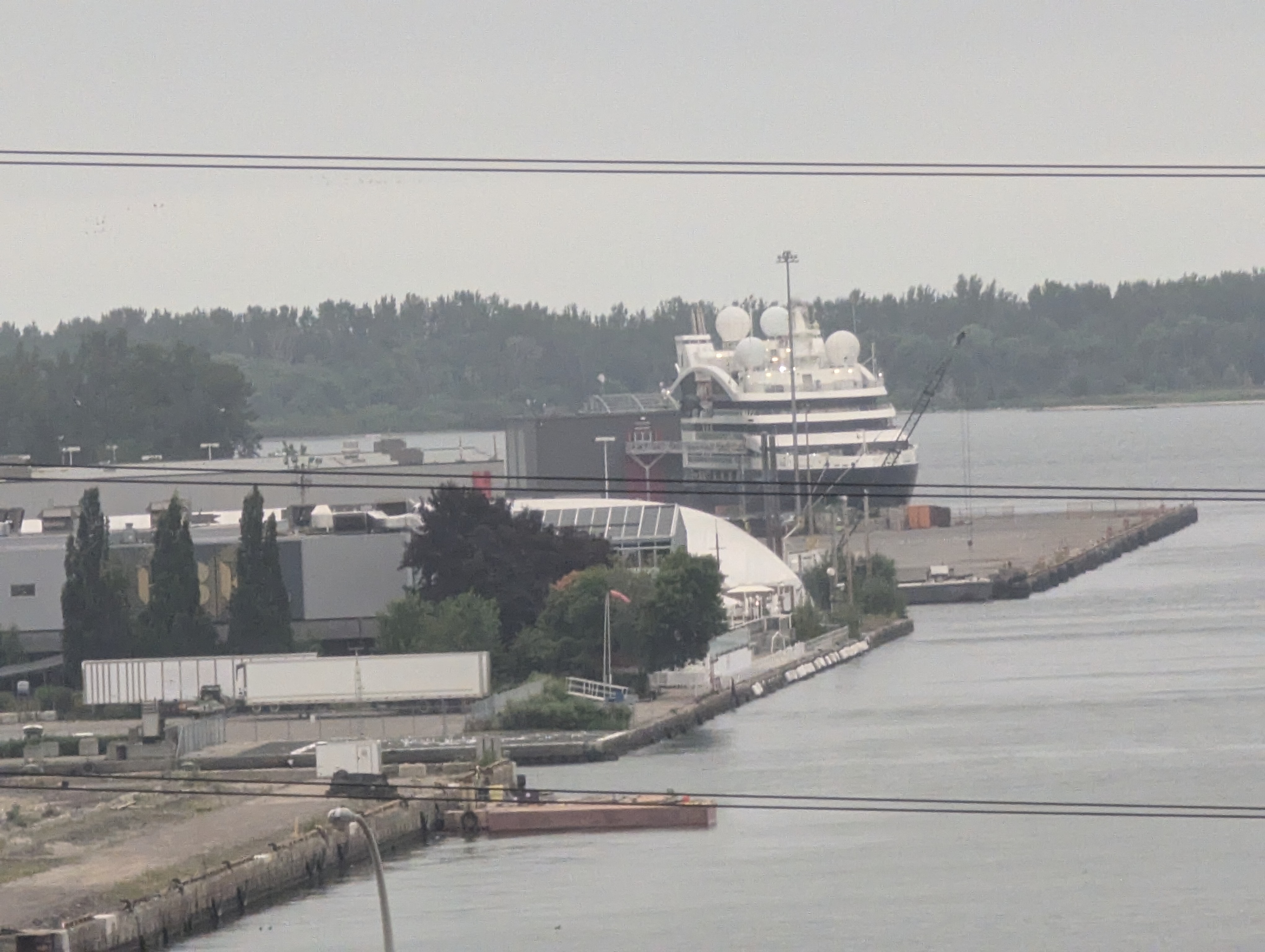
A small cruise ship is not a scaled-down liner with a lower price tag. Once a vessel carries 200 passengers or fewer, the ports it can enter, the way days are organised, the food it serves and the feel of the crowd all change. Here is what shifts, and how to compare ships before you book.
What counts as a small cruise ship?
There is no single rulebook, and that matters when you read brochures. One specialist operator that sells educational voyages treats anything from a few dozen up to 200 passengers as small, and names a Great Lakes vessel carrying up to 190 as the largest in its small-ship group. Other guides stretch the idea further, calling a six-person yacht and a 200-passenger icebreaker small in the same breath. What they agree on is the negative definition: it is not one of the floating skyscrapers with a rollercoaster, a water park and cavernous theatres.
For choosing a trip, it helps to think in three rough bands rather than one label.
- Yachts and schooners (2 to 30 passengers). The smallest vessels aim for the smallest bays: little Greek islands, Caribbean coves, quiet fjords. Cabins and common areas are close quarters, which suits sunny deck-based itineraries and can feel tight if rain keeps everyone inside.
- Mid-sized vessels (30 to 100 passengers). Longer distances and colder water tend to call for a bigger hull. You often get more cabin variety and a few comfort extras, and these ships are commonly loaded with kayaks, paddleboards and inflatable boats for wildlife shore time.
- The larger end (100 to 200 passengers). Polar routes with long sea crossings and ice call for strengthened hulls here. Expect an observation deck, a bar, a lecture room, sometimes a small shop, and a wider spread of cabin types from singles to quads.
The practical point: two ships that both call themselves small can deliver very different holidays. Look at passenger count and purpose, not just the word.
Where can a small ship go that a liner cannot?
Access is the headline difference, and it comes down to physical dimensions. A ship’s draft, the depth it sits below the waterline, decides which harbours and channels it can enter without grounding. Its beam, the width at the widest point, decides whether it can pass through narrow waterways and fit alongside small quays. A liner needs deep water and a large berth. A small ship can slip into shallow harbours, narrow channels, bays and sometimes even rivers, then drop anchor close to the coast.
Some small ships are designed around this idea. Operators describe vessels built for a specific destination with exact measurements so they can reach select ports of call. That is a different design logic from a liner, which is built to carry as many people as possible between large terminals.
Draft and beam figures are worth asking for if a route depends on tight access, but treat any number as ship-specific. No single figure applies to the whole category, so request the dimensions for the exact vessel you are considering and check them against what the itinerary promises.
Representative places where this kind of access shows up in the material for this guide include:
- The Adriatic: Croatian islands that larger vessels cannot reach.
- The Galapagos: hidden coves reached on voyages designed to sit lightly on the natural setting.
- Scotland’s islands: one specialist line is listed as covering the Scottish isles, and others cover Scotland by coastal small ship.
How are small-ship itineraries built differently?
On a liner the schedule is the product: fixed ports, fixed hours, a timetable that rarely bends. On a small ship the itinerary is closer to a plan that the destination shapes. One educational operator puts it plainly: voyages are created with the destination in mind, and the route becomes the focal point of the journey rather than a way of getting between stops.
In practice, that has several consequences for you as the traveller:
- Water and weather set the day. Shallow channels, anchorages and narrow passages depend on conditions, so a good itinerary leaves room to adjust. Expect timing to be described as intended rather than guaranteed.
- Local rules and permissions matter. Small vessels often visit places with their own visitor arrangements. The sources here do not detail specific permit systems, so ask any operator which stops depend on permission and what happens if access is refused.
- Docking is closer to town. Small ships can often tie up in the middle of the action, so you step off and walk into the centre. When tendering is needed, shorter queues follow from fewer passengers.
- Shore time is less choreographed. With a small group you can come and go with fewer constraints than a mass excursion allows.
The decision point is flexibility. If you want a precise, repeatable schedule, a conventional line may suit you better. If you want the route to respond to the place, a small ship is built for that.
What is life onboard like at this size?
Fewer people changes the texture of the day more than any amenity list. With no more than 200 passengers, public areas rarely feel crowded, and there is nearly always a quiet corner to read in. You see the same crew daily and come to know them, which tends to make the ship feel more like a small inn than a floating hotel.
Do not expect liner entertainment. Onboard amenities generally do not rival the grand stage shows and spectacular pools of the big ships. What you get instead is a casual atmosphere, and on many vessels an educational layer: lectures about the next port or a wider topic, and local instructors or specialists alongside you ashore. On adventure-focused vessels, look for practical gear such as swimming platforms, kayaks and wetsuits.
Cabins vary more than people expect. Smaller yachts can be cosy below decks, while ships at the upper end of the range may offer suites with lounge space and picture windows, as well as single and family cabins. If you are travelling alone or with children, check the cabin mix before you fall for the itinerary.
Ask each operator for the actual crew count on the ship you are considering and divide it by the passenger capacity yourself.
How does dining work on a small ship?
Dining is where the small format often earns its keep. With fewer meals to produce, the galley can shape menus around where the ship actually is. Operators describe chefs building each day’s meals from local ingredients and dishes: bread bought at a market in the morning, freshly caught fish, vegetables gathered during a shore walk. The effect is a menu that changes with the route instead of repeating a standard rotation.
Size also helps with personal needs. Because the galley is flexible and the crew gets to know you, small ships are generally described as attentive to dietary requirements and able to meet most restrictions. Still, flexibility is not a promise, and the more specific your needs, the earlier you should raise them.
A short checklist for dietary planning:
- Tell the operator about allergies and restrictions when you book, not at embarkation.
- Ask whether the ship can restock in the remote areas the route covers, since supply options shrink far from towns.
- Ask how meals are served: set seating, open seating or a single table. At small sizes this affects how social the evening feels.
How should you compare small ships before booking?
Because the category is so broad, the best comparison starts with what you want to do, then works back to a vessel. A few questions sort most options quickly.
- What size is the ship, exactly? Ask for passenger capacity, draft and beam, and whether it carries inflatable boats and kayaks.
- Which stops depend on weather, tides or permission? Ask what the backup plan is and whether you would be told early.
- Is this a destination-focused or an expedition-style voyage? Expedition vessels carry outdoor gear and specialist staff. Others lean toward relaxed coastal sailing with a gentler pace.
- What are the cabins like? Check cabin sizes, layouts, and whether single or family arrangements exist.
- What does the onboard programme include? Lectures, local guides and activities vary widely from one line to the next.
- How crowded will shore time feel? Ask how large the groups are on excursions and how tendering works when there is no pier.
- Does the operator address environmental concerns? Sustainability policies are a growing priority for travellers and a fair thing to ask about.
One honest caution: small does not automatically mean cheaper, quieter or more authentic. It means more access and a more personal scale. If your priority is a wide choice of entertainment and restaurants, a conventional ship still does that better. If your priority is arriving where the big ships cannot, the smaller vessel is the right tool.
Frequently asked questions
Are small cruise ships cheaper than large liners?
Not as a rule, and the sources used here give no price comparison, so do not assume it. The difference is mainly in access, atmosphere and pace rather than cost. Compare the full inclusions, such as excursions, onboard programming and gear, rather than the headline fare.
How many passengers does a small cruise ship carry?
Definitions vary. One operator counts ships from a few dozen up to 200 passengers as small, and another guide sorts them into bands from 2 to 30, 30 to 100 and 100 to 200. Check the actual capacity of the vessel you are considering.
Will a small ship have the same amenities as a big liner?
No. You should not expect the large pools, grand performances and extensive facilities of the biggest ships. You get a casual atmosphere, fewer crowds, a closer relationship with the crew and, on many voyages, lectures and guided shore experiences.
Can small cruise ships handle dietary restrictions?
Many can. Operators describe flexible galleys and attentive crews who can meet most dietary restrictions. Raise any allergy or requirement when you book and confirm it again before departure, particularly on routes far from towns.
Related reading
- When a Private Cruise Changes the Way You Travel
- Bequia to the Tobago Cays: A Trade-Wind Passage Through the Grenadines
Sources
- 91 Small Ship Cruise Line Reviews A To Z (quirkycruise.com, accessed 2026-11-09)
- Small Ship Cruise Travel Guide (roadscholar.org, accessed 2026-11-09)
- What is a small ship cruise? (responsibletravel.com, accessed 2026-11-09)
Photo: Small cruise ship moored in Toronto, 2024 08 28 (53954955841), by Geo Swan from Toronto, Canada, CC0 1.0 (Wikimedia, via Openverse)